
Industrial Cleanroom
ENCS Engineering designs and builds cleanrooms for all classes — from single-level production lines to multi-storey facilities — with full testing, certification, and compliance to international standards.
Who uses a cleanroom?
.png)
Semi conductor
.png)
Pharmaceuticals

Packaging production
.png)
Food manufacturing

Micro electronics
.png)
Biotechnology

Automotive
.png)
Indoor farming
What is a cleanroom?
An engineered space which maintains a very low concentration of airborne particulates. It is well isolated, well-controlled from contamination, and actively cleansed.
The four parameters
Environment control is the major factor in achieving an efficient cleanroom design — directly impacting build and maintenance costs.

Particles count
Concentration of microscopic airborne particles per cubic metre, defining the ISO class.

Pressure
Positive differential pressure prevents external contaminants from entering the controlled space.

Humidity
Humidity is tightly controlled to prevent moisture-related contamination & product damage.

Temperature
Stable temperature conditions protect both production processes and sensitive equipment.
What ISO class determines
The ISO class governs three critical factors that define the total investment required for a cleanroom project.

Microscopic air particles
Stricter ISO classes demand higher-specification HEPA filtration systems and more frequent air changes per hour.

Cost of maintenance
Higher-class rooms require more intensive ongoing monitoring, filter replacement, and recertification programmes.

Build-up cost
Initial construction cost increases significantly with each step up in classification — a Class 10K room can cost several times more than a Class 100K room of the same footprint.
Cleanroom specifications
ENCS designs and builds cleanrooms around existing production equipment or from the ground up, across two primary ISO classifications.
Classification | ≥0.1µm | ≥0.2µm | ≥0.3µm | ≥0.5µm | ≥1µm | ≥5µm | FED STD 209E Equivalent |
|---|---|---|---|---|---|---|---|
ISO 1 | 10 | 2.37 | 1.02 | 0.35 | 0.083 | 0.0029 | — |
ISO 2 | 100 | 23.7 | 10.2 | 3.5 | 0.83 | 0.029 | — |
ISO 3 | 1000 | 237 | 102 | 35 | 8.3 | 0.029 | Class 1 |
ISO 4 | 10000 | 2370 | 1020 | 352 | 83 | 2.9 | Class 10 |
ISO 5 | 100000 | 23700 | 10200 | 3520 | 832 | 29 | Class 100 |
ISO 6 | 1000000 | 237000 | 102000 | 35200 | 8320 | 293 | Class 1000 |
ISO 7 | 10000000 | 2370000 | 1020000 | 352000 | 83200 | 2930 | Class 10000 |
ISO 8 | 100000000 | 23700000 | 10200000 | 3520000 | 832000 | 29300 | Class 100000 |
ISO 9 | 1000000000 | 237000000 | 102000000 | 35200000 | 8320000 | 293000 | Room Air |
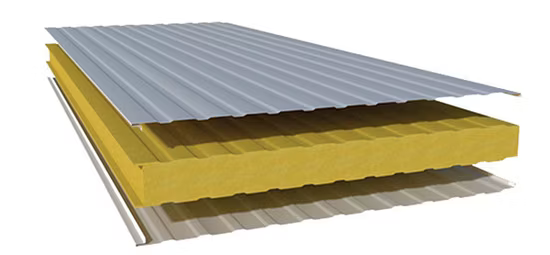
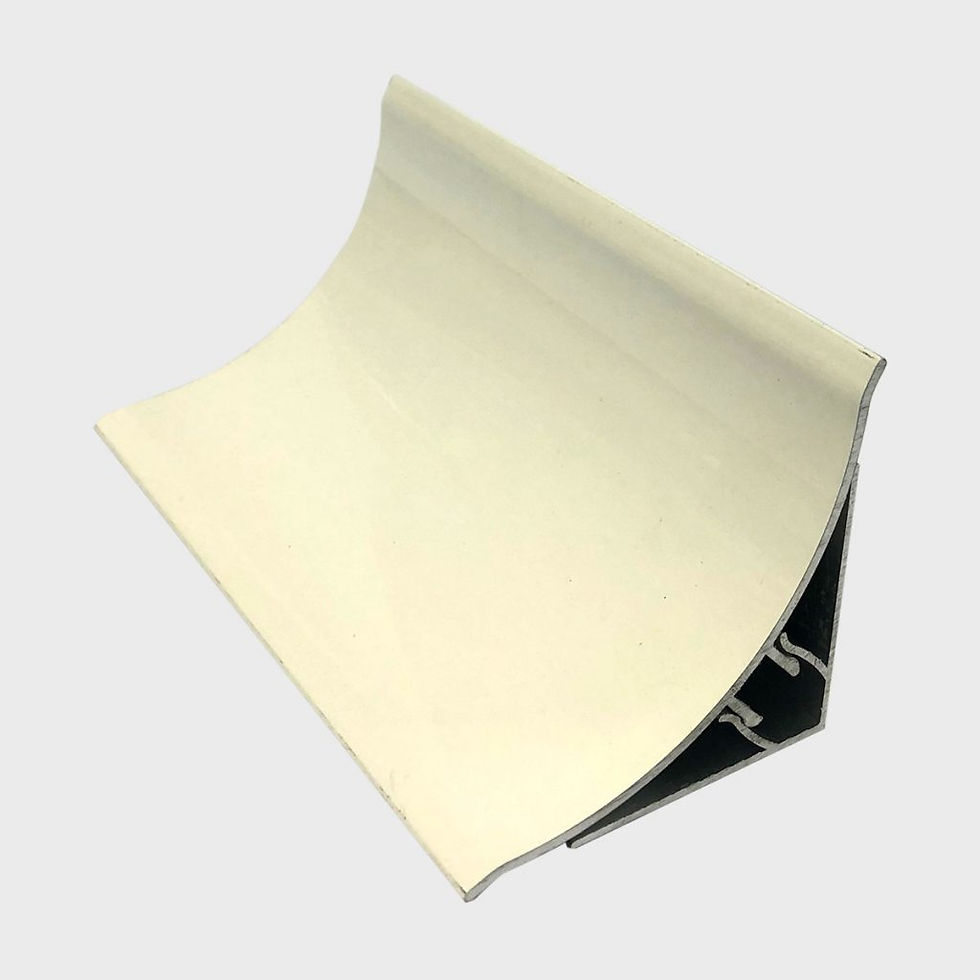
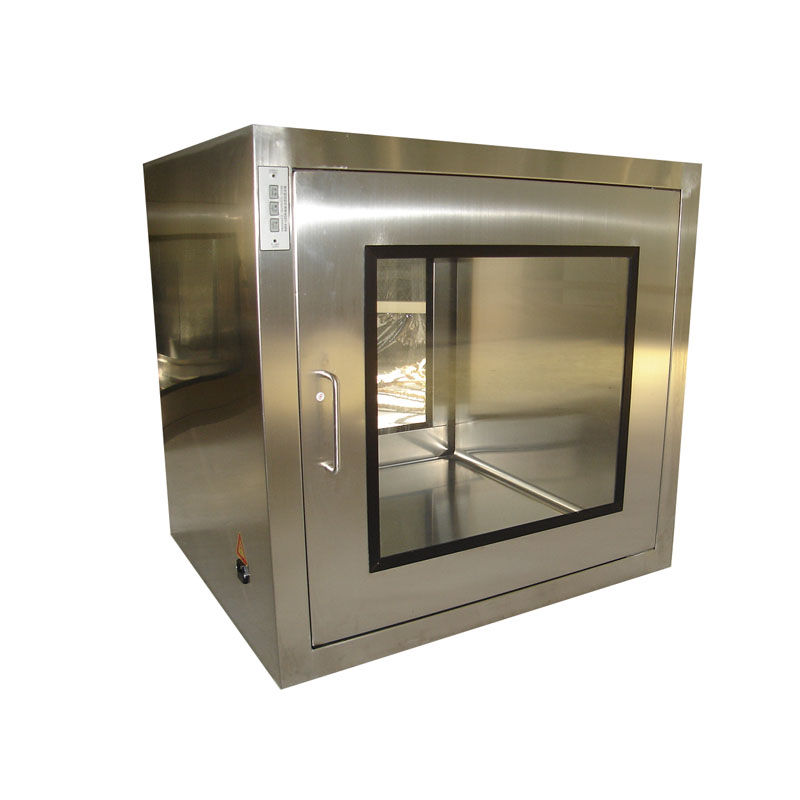
Components & materials
Every cleanroom is assembled from a combination of core structural components and additional specialist elements, all selected for contamination resistance and cleanability.




Performance testing & certification
All ENCS cleanrooms undergo a comprehensive six-test validation programme before handover.
01
Airflow velocity & volume test
02
HEPA filter integrity leak test
03
Airborne particle test
04
Temperature & relative humidity test
05
Room differential pressure test
06
Light intensity LUX test


